On the morning of December 19, 2025, in Hanoi, the Vietnam Chamber of Commerce and Industry (VCCI), with the support and participation of the Vietnam International Arbitration Centre (VIAC), organized the India Market Outlook 2026 Seminar. The seminar aimed to update information on the Indian market and expand opportunities for cooperation and development, particularly in the fields of economy and trade, for businesses of the two countries. Attending the event was Mr. Vu Anh Duong, Vice President cum Secretary General of the Vietnam International Arbitration Centre (VIAC).

The India Market Outlook 2026 Seminar, organized by VCCI, sought to provide updated information on the Indian market, consumer trends, and forecasts of import–export demand, while also sharing practical experience and legal considerations when cooperating with the Indian market.

Mrs. Truong Thi Bich Ngoc – Deputy Head of the International Relations Department, VCCI
On behalf of VCCI, the seminar was attended by Mrs. Truong Thi Bich Ngoc – Deputy Head of the International Relations Department of VCCI. Participants also included Mr. Bui Trung Thuong – Vietnam’s Trade Counsellor in India. Representing VIAC was Mr. Vu Anh Duong, Vice President cum Secretary General of VIAC. The seminar attracted 30 in-person participants and 100 online participants, who were representatives of organizations and businesses.
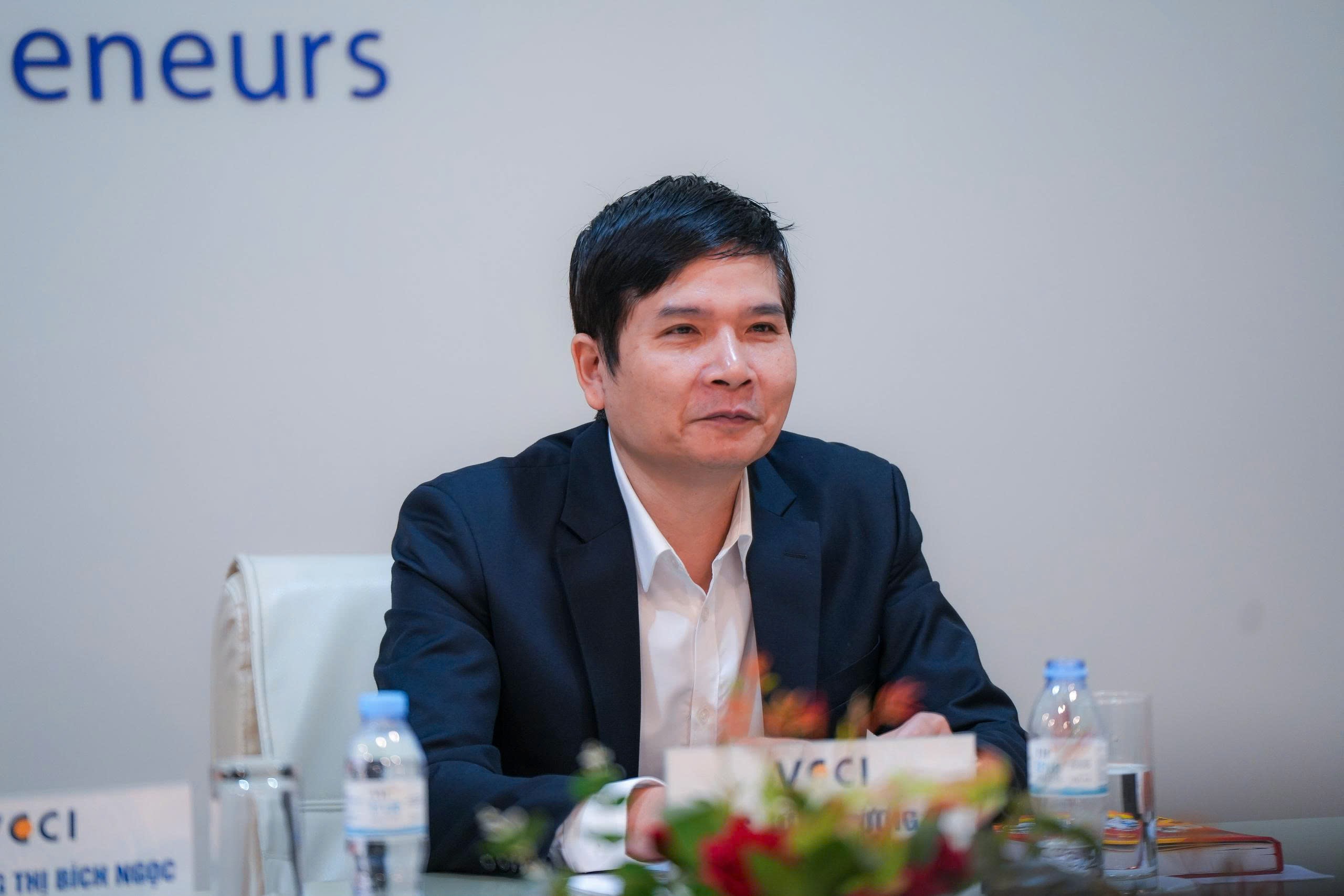
Participation of Mr. Vu Anh Duong, Vice President and Secretary General of VIAC
At the seminar, Mr. Vu Anh Duong shared insights drawn from VIAC’s practical experience in dispute resolution, thereby providing notes and recommendations for enterprises during negotiations and contract execution with Indian partners.
According to Mr. Duong, doing business with foreign partners, including those from India, always entails numerous risks. Cross-border exchanges of goods and services can give rise to complex issues ranging from political and economic risks (exchange rates, inflation, trade protectionism), legal risks (applicable law, dispute resolution), and commercial risks (delivery, quality), to cultural differences, business practices, and technical risks.
“No one wants disputes to arise, but professional enterprises need to proactively prevent and manage risks to avoid being placed in a passive position, losing control, and suffering financial losses,” Lawyer Duong emphasized.
Conduct Due Diligence Before Signing Contracts
To minimize risks, enterprises should conduct thorough partner profiling to ensure the credibility, financial and operational capacity of their partners. Useful support channels include Vietnam Trade Offices abroad, Vietnamese Embassies/Consulates, the Vietnam Chamber of Commerce and Industry (VCCI), trade promotion agencies of partner countries, or reputable international law firms.
Use Model Contracts and Consult Experts
During the negotiation and contract-signing stages, enterprises should give due consideration to each clause to ensure the contract’s legal validity and robustness. Using model contracts from reputable organizations or consulting experienced and reputable legal experts can help reduce risks.
Applicable Law – An Important “Legal Framework”
Within the limited time of the seminar, Mr. Duong highlighted the significance and importance of dispute resolution clauses and applicable law clauses in international sales contracts.
To address this issue, Mr. Duong recommended that Vietnamese enterprises carefully consider, select, and clearly specify the governing law of the contract. When choosing the applicable law, enterprises should assess whether that law adequately protects the interests of buyers or sellers. Priority should be given to laws with which the enterprise is familiar, has experience applying, and can easily access legal advice. Enterprises should avoid choosing an “unfamiliar” law solely at the request of a stronger partner.
For international sales contracts, enterprises may consider applying the United Nations Convention on Contracts for the International Sale of Goods (CISG), of which Vietnam is a member. The CISG establishes unified legal rules applicable among member states, helping reduce differences between national legal systems (civil law and common law). As a result, parties do not have to deal with excessive variations in legal regulations when entering into international contracts.
Dispute Resolution Clause – A “Legal Shield”
As for dispute resolution clauses, these provisions are legally significant in determining jurisdiction, methods, procedures, and legal grounds for resolving disputes. They also serve as binding bases for the parties and dispute settlement bodies, thereby ensuring legal certainty and effective enforcement of international sales contracts. Therefore, dispute resolution clauses are often likened to a “legal shield” protecting enterprises against risks and uncertainties in international transactions.
These shortcomings lead to numerous difficulties and risks when disputes arise, such as uncertainty over where to file claims or prolonged legal battles over jurisdiction, resulting in significant time and cost expenditures.
When choosing arbitration, enterprises should refer to and use standard arbitration clauses recommended by arbitral institutions. For example, VIAC provides a model arbitration clause published on its website (https://www.viac.vn/en/model-clause.html).
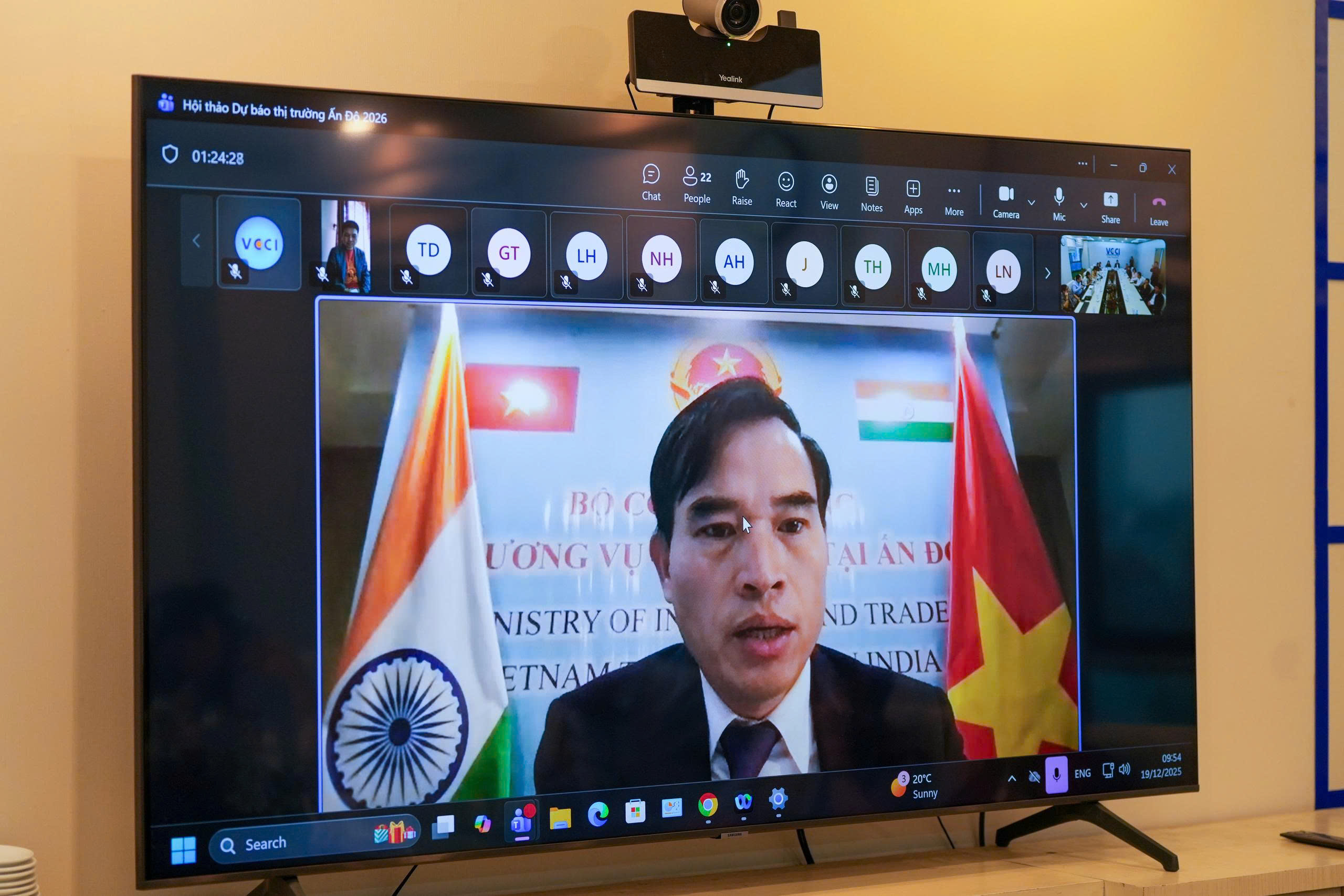
Along with representatives of VIAC, participants from the Vietnam Trade Office in India, as well as business and association representatives, also shared insights on the Indian market, forecasts of import-export demand, and practical needs and cooperation experiences.
The seminar concluded with a lively Q&A session between representatives of organizations and enterprises. The event provided opportunities for networking and cooperation, contributing to the further expansion of economic relations between Vietnam and India in the coming period.



.png "Trường đại học ngoại thương")